Mobile Impact Crusher Plants for Sale: Concrete, Asphalt & Rock
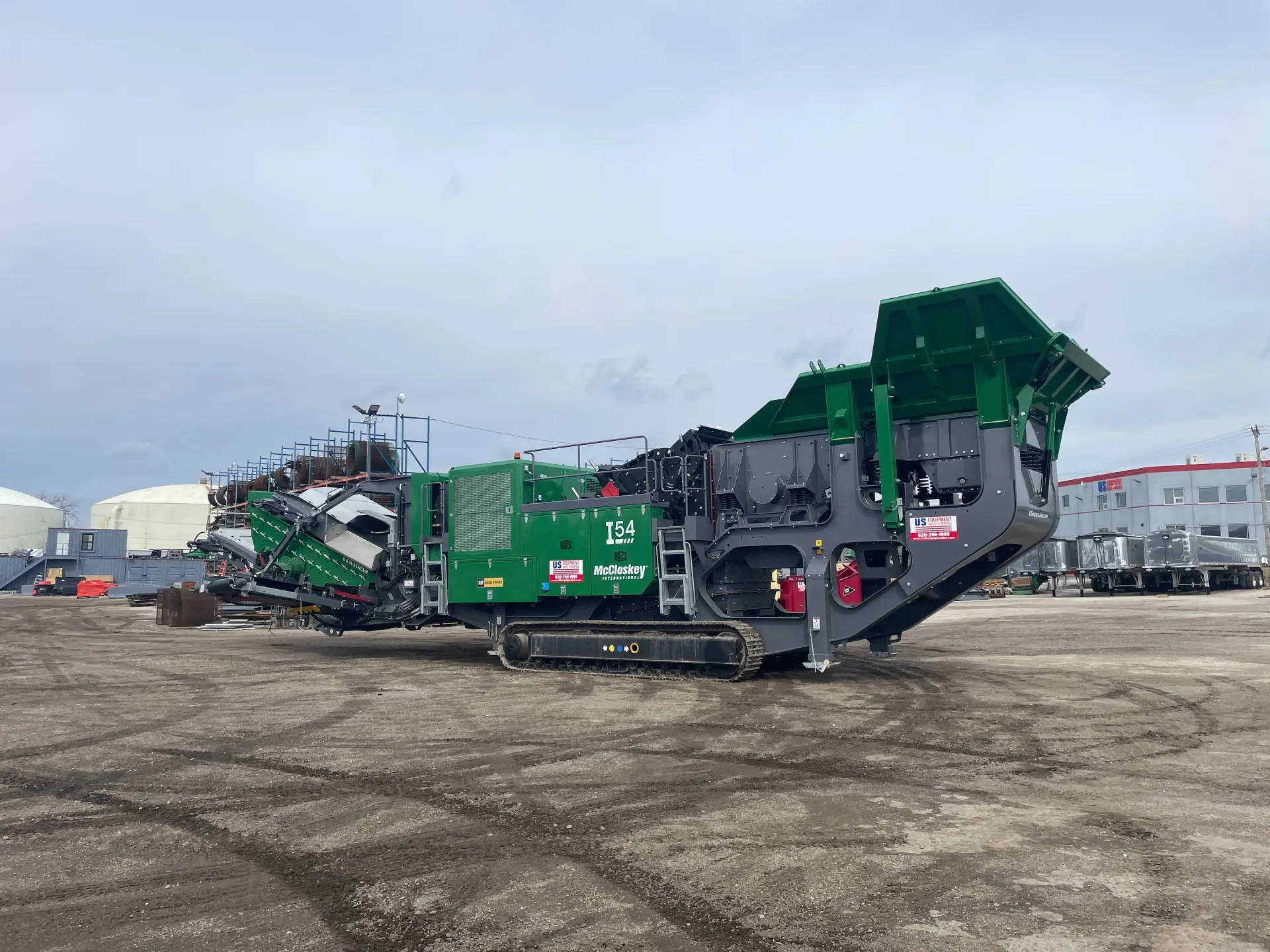
What is an impact crusher used for?
Last updated:An impact crusher is a crushing machine that uses a high-speed spinning rotor fitted with replaceable blow bars to throw rock, concrete, or asphalt against heavy impact aprons. Because material fractures along natural fault lines, impactors deliver high reduction ratios and clean, cubical aggregate in a single pass.
Why Contractors Choose a Mobile Impact Crusher for Recycling and Stone
When you need high reduction ratios and consistent cubical product shape without running two separate crushers, a mobile impact crusher is often the most productive machine on site. Used & New Equipments Home stocks new and used tracked and portable impactors from McCloskey International, Lippmann, Masaba, Astec, IROCK, and Tesab. From closed-circuit recirculating plants that produce finished DOT-spec base in one footprint to primary quarry impactors crushing soft-to-medium limestone, our specialists help Midwest contractors match rotor design, blow-bar metallurgy, and screening packages to each application.
Best Applications for Track-Mounted Impact Crushers
- Concrete and asphalt recycling crews producing compacted road base, sub-base, and RAP directly on demolition sites.
- Limestone and dolomite quarries seeking high reduction ratios and cubical stone shape with minimal flat or elongated particles.
- Contractors who want a single closed-circuit impactor machine with an on-board screen and return conveyor.
- Urban earthwork and paving operations converting torn-out parking lots and roadways into reusable aggregate on site.
Impact Crusher Configurations and Performance Factors
| Configuration | On-Board Screening | Best Material Match | Key Operational Advantage |
|---|---|---|---|
| Open-Circuit Tracked Impactor | None (external screener optional) | Limestone, bulk concrete, primary recycling | Lower transport weight, high raw tonnage, simple setup |
| Closed-Circuit Recirculating Impactor | Integrated hanging screen + return belt | Recycled concrete, RAP asphalt, spec road base | Produces sized single-spec finished product in one pass |
| Compact Mobile Impactor | Optional compact screen | Urban demo lots, small yards, utility work | Easy hauling, quick site entry, low fuel burn |
Rotor Speed, Blow-Bar Metallurgy, and Apron Settings
An impact crusher's output gradation is controlled by rotor tip speed and the clearance between blow bars and primary/secondary impact aprons. Faster tip speeds generate more fine material for dense-graded base, while slower rotor speeds and wider apron gaps yield coarser, cleaner stone with fewer fines—especially important when processing reclaimed asphalt pavement (RAP) without creating excess dust.
Selecting the right blow-bar alloy directly affects wear cost per ton. Martensitic steel bars handle heavy impact shocks in rebar-laden concrete without fracturing; ceramic-matrix bars combine toughness with longer wear life in mixed recycling; and high-chrome bars excel in abrasive, non-tramp limestone quarries where tramp metal is absent.
Open-Circuit vs. Closed-Circuit Impactor Machines
An open-circuit track mounted impact crusher focuses strictly on crushing throughput and discharges directly onto a stockpile or into a separate mobile screener. It is easier to transport, quick to set up, and ideal when you need multiple finished splits from a dedicated multi-deck screener.
A closed-circuit recirculating impact crusher mounts a single-deck screen box and return conveyor directly onto the crusher chassis. Oversize material automatically returns to the hopper while spec product discharges cleanly—letting one operator, one excavator, and one diesel engine produce finished aggregate on compact jobsites.
New vs. Used Inventory, Wear Parts, and Rental Support
Whether you buy a new authorized McCloskey or Lippmann impact crusher or choose a shop-inspected used impactor machine, wear-part readiness is critical. Used & New Equipments Home stocks blow bars, apron liners, side liners, magnet belts, and hydraulic components across our 30,000+ parts inventory, backed by 28 service technicians across the Midwest.
Need an impactor for a single demolition project or want to trial a closed-circuit plant first? Check our crusher rental fleet for weekly and monthly availability, or call (765) 942-1514 for a tailored purchase or financing quote.
Impact Crusher: Frequently Asked Questions
What materials should and should not go into an impact crusher?
Horizontal shaft impact crushers perform best in low-to-medium abrasion materials such as recycled concrete, asphalt pavement, limestone, dolomite, and soft sandstone. Very hard, high-silica abrasive stone like granite or river gravel accelerates blow-bar wear rapidly and is usually more economical in a jaw-and-cone compression circuit.
What is a closed-circuit impact crusher?
A closed-circuit mobile impact crusher integrates a hanging vibrating screen box and a recirculating return conveyor right on the chassis. Material passing the screen goes to the finished product pile, while oversized chunks loop back into the impact chamber automatically until they meet specification.
How does an impact crusher handle rebar in concrete?
The high-energy impact chamber shatters concrete cleanly off embedded rebar, and a hydraulic overband magnet suspended over the main discharge belt pulls freed steel out before it reaches the stockpile. Keeping slab sizes reasonable and inspecting feeder pans helps prevent long rebar rods from jamming under the belt.
Are blow bars expensive to maintain on a mobile impact crusher?
Blow bars are the primary wear item on an impactor, and wear life varies greatly by silica content and bar metallurgy (martensitic, ceramic, or high-chrome). Matching alloy to material and flipping reversible bars on schedule keeps per-ton wear costs predictable. Our parts team helps specify the right bars.
Can I rent or finance an impact crusher from Used & New Equipments Home?
Yes. We rent tracked impact crushers by the week (40 hours) or month (176 hours) across the Midwest and offer financing on new and used sales through partners like Wells Fargo, DLL, BOK, and Northland Capital. Call (765) 942-1514 to check current units.